– Emergency Accident Recovery & Towing
24/7
ALWAYS DISPATCHING
YOU PICK
WHERE YOUR CAR GOES
BOTH
LIGHT & HEAVY DUTY
24/7 Emergency Dispatch • Winching Service • Flatbed Transport • Debris Removal • Car Accident Recovery • Heavy Duty Accident Recovery • Scene Clearance • Flatbed Towing • Wrecker Service • Rollover Recovery • Rotator Service • Quick Response •24/7 Emergency Dispatch • Winching Service • Flatbed Transport • Debris Removal • Car Accident Recovery • Heavy Duty Accident Recovery • Scene Clearance • Flatbed Towing • Wrecker Service • Rollover Recovery • Rotator Service • Quick Response •
— What Is Accident Recovery
More Than a Tow.
A Lot More.
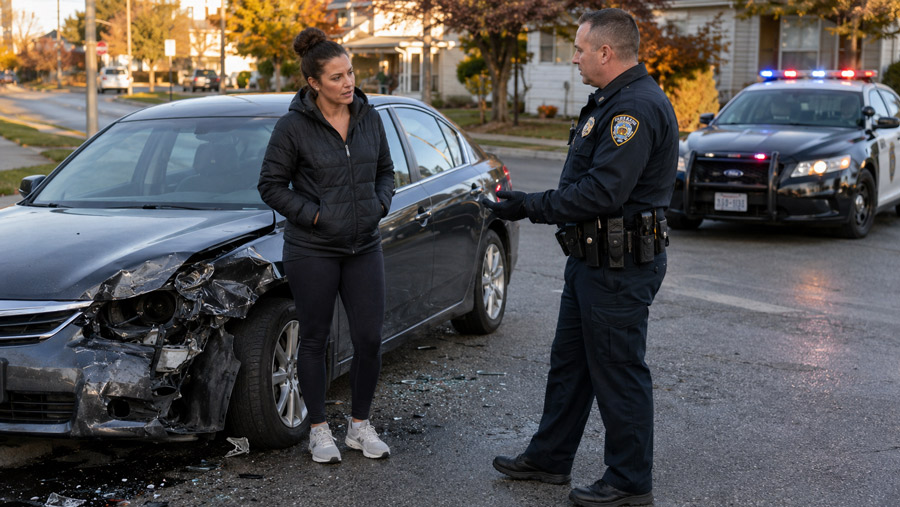
Most people never hear the term “accident recovery” until they’re standing on the side of the road with a wrecked car and no idea what comes next. Whether you just had a minor collision or a serious crash, here’s exactly what to expect — and what your rights are — when a tow truck shows up to the scene.
When a vehicle has been in a crash, moving it isn’t always as simple as hooking it up and driving away. Sometimes it takes a little more work to get there.
A standard tow picks up a vehicle that’s already accessible — broken down, parked, or sitting where it can be reached. Accident recovery is different. A crashed vehicle may be wedged against a barrier, sitting at an angle, partially off the road, or in a position where standard towing equipment can’t get to it safely. Before anything gets moved, our operators assess the scene and determine the right approach.
That might mean a straightforward load-and-go on a flatbed. It might mean carefully winching a car out of a ditch before it can be transported. For a commercial truck, it could involve uprighting a rolled trailer or pulling a jackknifed rig back onto the road. Every scene is different, and our operators carry the equipment and training for all of it.
What doesn’t change is this: we work with law enforcement before anything gets moved, we handle your vehicle in a way that doesn’t make the damage worse, and we take it exactly where you tell us to go.
— TYPES OF ACCIDENT RECOVERY
Every Crash Scene
Is Different
From minor collisions to major incidents, accident recovery covers a
wide range of situations. Here’s what our operators handle every day.
02 — Off the Road
Winch-Out & Extraction
When a vehicle leaves the roadway — into a ditch, down an embankment, or against a barrier — it has to be extracted before it can be towed. Our operators assess the position and use controlled winching techniques to bring it back to the road safely, without making the damage worse.
03 — On Its Side or Roof
Rollover Recovery
A vehicle that has rolled requires specialized equipment and a careful plan before anything is moved. We work with law enforcement to document the scene, then upright the vehicle using the appropriate equipment for its size and weight.
06 — After the Tow
Scene Cleanup
Broken glass, vehicle fluids, and debris left on the roadway create real hazards for other drivers. We clear the scene before we leave — sweeping debris and absorbing fluids so the road is safe again by the time we pull out.
07 — Soft Shoulder
Soft Shoulder Recovery
Pulling too far onto a soft shoulder is more common than you’d think — and it happens to experienced drivers every day. A loaded trailer that drifts too far right, a turn taken a little too tight that puts the trailer tires in the grass.
08 — Down an Embankment
Embankment Recovery
When a vehicle leaves the road and goes down a slope — whether it’s a few feet into a drainage ditch or a significant drop off the side of a mountain highway — getting it back up requires more than a winch cable and good intentions.
— SIMPLE PROCESS. SERIOUS RESULTS.
What to Expect
When We Arrive
Crash scenes move fast — but our operators have done this enough to
stay methodical no matter what the scene looks like. Here’s what
happens from the moment we pull up to the moment we pull away.
01
Scene Assessment
Before we unspool our winch cable and grab the chains, we take a look. Vehicle position, road conditions, fluid leaks, stability — we assess it all before we plan our approach.
02
Law Enforcement
If law enforcement is on the scene, we work with them. No vehicle gets moved before the police authorize it — documentation and evidence matter, for your sake, and we don’t cut that corner.
03
Recovery & Loading
Whatever the situation calls for — winching, extraction, uprighting, or a standard load — we use the method that gets the job done without adding damage to an already tough day.
04
You Tell Us Where
Your vehicle, your call. Body shop, dealership, your driveway — we take it where you need it. Going straight to a repair facility from the scene saves you storage fees and a second tow.
— Vehicles We Recover
If It’s On the Road,
We Handle It
From daily drivers and pickup trucks to motorcycles, electric vehicles, and fully loaded 18-wheelers, accident recovery doesn’t discriminate by vehicle type — and neither do we. Whatever ended up in the wrong place, we have the equipment and the operators to bring it back. Here’s what we handle.








— Recovery Operations
What Happens When
We Work a Scene
01
Scene Size-Up
Before any equipment comes off the truck, our operator walks the scene. Vehicle position, ground conditions, fluid leaks, slope, and stability — everything gets assessed before a plan is made. On a crash scene, the wrong first move can shift a vehicle in a dangerous direction, sink equipment into soft ground, or compromise what law enforcement still needs to document. We look before we touch. Every time.
02
Rigging & Attachment Points
Every recovery starts with finding the right place to connect. On a passenger vehicle, that means locating the manufacturer’s designated tow points — not just hooking to whatever looks solid. On a commercial truck or trailer, it means assessing the frame condition, identifying anchor points that can handle the load, and rigging the pull so the force is distributed in a way that moves the vehicle without twisting or further damaging it. The rigging is the job. Get it wrong and everything else goes wrong with it.
03
Controlled Winching & Extraction
Once the rigging is set, the recovery begins — slowly and under control. Whether we’re pulling a car out of a ditch, dragging a trailer back onto the pavement, or winching a vehicle up from an embankment, the cable tension is managed throughout the pull. Our operators are watching the vehicle’s movement, the ground shifting beneath it, and the rigging at every point during the extraction. This isn’t a yank-and-hope operation.
04
Uprighting When Needed
For vehicles on their side or roof — passenger cars and commercial trucks alike — uprighting is its own operation before towing can even begin. Air bags, chains, and heavy wreckers work together to rotate the vehicle back onto its wheels in a controlled sequence. The goal is to put it back on its wheels without adding new damage to what the crash already caused, and without creating a secondary incident for the operators working the scene.
05
Damage-Appropriate Transport
Once the vehicle is accessible and stable, how it gets transported matters as much as how it was recovered. Heavily damaged vehicles go on a flatbed — all four wheels off the road — because dragging a compromised suspension down the highway on a wheel-lift makes a bad situation worse. Commercial trucks get assessed for whether they can be towed under their own axles or need to be transported on a Lowboy. We match the transport method to the condition of the vehicle, not to what’s most convenient.
06
Scene Left Clean
When the vehicle is recovered, loaded, and secured, we’re not done yet. Broken glass, vehicle fluids, torn quarter panels, vehicle contents, and debris are all left in the road. And become hazards for every driver who comes through after us. Before we clear the accident scene, we sweep the roadway, absorb any spilled fluids, remove debris, and collect your belongings. The road goes back to being a road. That’s part of the job, and we don’t leave until it’s done.
— After The Crash – Here’s What To Do
After the Crash
What Happens Next
Car accidents happen in an instant, but the aftermath can feel like it stretches on forever. Whether it’s a minor fender bender or a serious collision, the moments after a crash are disorienting — and for some, they involve injury, loss, and a level of stress that’s hard to put into words. Whatever you’re going through right now, here’s a clear picture of what comes next and how we fit into it.
— COMMON QUESTIONS
Accident Recovery FAQs
That’s exactly what our operators are trained for. Heavily damaged vehicles — missing wheels, deployed airbags, structural damage, suspension failures — require a different approach than a standard tow. We bring the right equipment, assess what the vehicle can and can’t handle, and load it in a way that doesn’t add to the damage. Most seriously damaged vehicles go on a flatbed, all four wheels off the road, for that reason.
Usually, yes. Collision coverage typically includes towing after an accident, regardless of who was at fault. If the other driver caused the crash, their liability insurance may cover your towing costs too. The best thing to do is call your insurer from the scene — or as soon as you’re safe — so you understand your coverage before costs accumulate. Ask specifically about towing and storage limits.
A tow moves a vehicle that’s already in an accessible position. A recovery means the vehicle has to be extracted, winched out, or uprighted before it can be transported. A car in a ditch, a truck on its side, a vehicle pinned against a barrier — those all require recovery work first. Our operators carry equipment for both. When we get the call, we come ready for whatever the scene requires.
You decide — as long as you’re able to communicate at the scene. Tell the driver where you want your vehicle to go, whether that’s a specific body shop, your dealership, or anywhere else. Going directly to a repair facility from the scene is always the better move: it skips the storage lot, cuts out the daily storage fees, and gets your vehicle where it needs to be without an extra trip. If you’re taken to the hospital, your vehicle will go to the towing company’s lot. Police will have the address.
In most situations, yes. When police respond to an accident, the officer will typically ask if you have a preferred towing company before calling their rotation list. If you name a company, they should honor it. Speak up before anyone hooks up your vehicle — that’s the moment that matters. Having our number saved in your phone before an accident happens puts you in control when things move fast.
Honest answer: it depends on the job. A straightforward breakdown tow with no damage typically runs 1–2 hours from the time we get on scene. Rollover and accident recoveries are bigger jobs with innumerable variables. On the short side, 3–5 hours is a realistic range. But depending on the orientation of the truck and trailer, access points, cargo and trailer condition, weather conditions, law enforcement concerns, and other unforeseen possibilities, recoveries can stretch into the next day. We’ll give you the real picture after we look at the scene — not a rosy estimate that turns into a long afternoon.
— OTHER SERVICES
More From
The Towing Pros